Office Cleaning in Modern Workspaces: Creating Healthier, More Productive Environments
Office cleaning plays a far bigger role in business success than many people realize. A well-maintained workplace supports employee health, improves first impressions, protects assets, and helps create a professional atmosphere that clients and staff can trust. Whether you manage a small startup, a busy corporate suite, or a shared workspace, investing in office cleaning can make a measurable difference in how the environment feels and performs every day.
Today’s workplaces are more demanding than ever. Employees move between desks, meeting rooms, break areas, and shared equipment throughout the day, which means dirt and germs spread quickly. Dust buildup, poor restroom hygiene, neglected high-touch surfaces, and overflowing bins can all affect morale and productivity. That is why office cleaning is not just about appearance; it is about health, efficiency, and long-term workplace care.
In this article, we’ll explore what office cleaning involves, why it matters, what services are typically included, and how businesses can create a cleaning routine that supports a safe, polished, and professional environment. If you want your workplace to look its best and function smoothly, the right office cleaning strategy is essential.
Why Office Cleaning Matters for Every Workplace
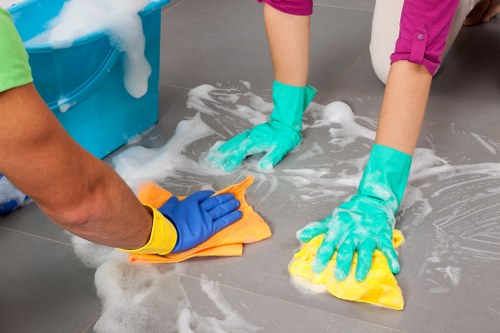
Office cleaning has a direct impact on daily operations. Clean workspaces help employees stay focused, reduce distractions, and encourage a more positive attitude toward the workday. When desks are tidy, floors are clean, and shared surfaces are disinfected, the entire office feels more organized and easier to work in.
There is also a strong link between office cleaning and health. Shared offices can become hotspots for bacteria and allergens, especially in high-traffic areas like kitchens, washrooms, conference tables, and door handles. Regular cleaning reduces the spread of illness and supports better indoor air quality, which can be especially important during cold and flu season.
First impressions matter too. Clients, partners, and visitors often judge a business by the state of its environment. A spotless reception area and clean meeting room signal professionalism, attention to detail, and respect for everyone who walks through the door. That is one reason office cleaning remains a key part of brand presentation.
What Office Cleaning Usually Includes
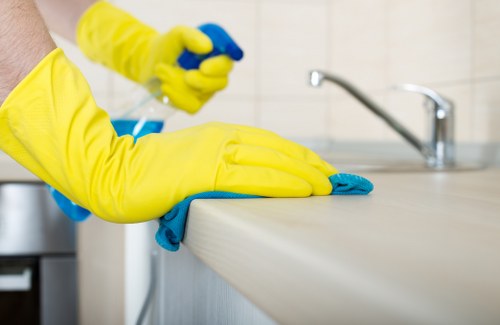
Office cleaning services can be tailored to suit the size and needs of a workplace, but most packages cover several essential tasks. These tasks are designed to maintain cleanliness across all common areas while ensuring that hygiene standards stay consistent over time.
Typical office cleaning services may include:
- Dusting desks, shelves, and office furniture
- Vacuuming carpets and rugs
- Mopping hard floors
- Cleaning and disinfecting high-touch surfaces
- Emptying bins and replacing liners
- Sanitizing kitchens and break rooms
- Cleaning restrooms and restocking supplies
- Wiping glass doors, partitions, and windows
- Spot-cleaning walls and marks on surfaces
- Cleaning reception and waiting areas
Depending on the office, the cleaning plan may also include deeper tasks such as upholstery care, carpet shampooing, or specialized disinfection for shared devices and equipment. A flexible office cleaning schedule helps businesses stay ahead of dirt instead of reacting to it after it becomes visible.
Daily, Weekly, and Periodic Cleaning
Not every task needs to happen every day. Many businesses use a layered approach to office cleaning. Daily tasks focus on hygiene and visible order, while weekly or monthly tasks address deeper buildup. This structure helps keep the space consistently clean without wasting time or resources.
Key Areas That Need Special Attention in Office Cleaning
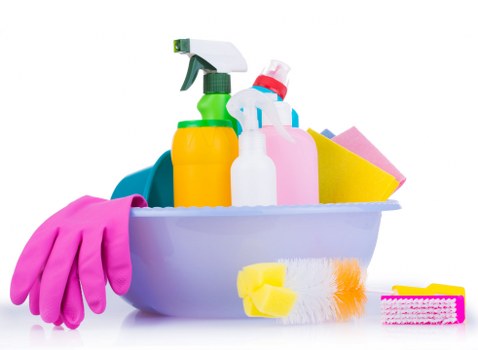
Some parts of the office require more attention than others because they are used frequently or can easily become sources of bacteria and clutter. Prioritizing these areas is one of the smartest ways to improve the overall effectiveness of office cleaning.
High-touch surfaces such as keyboards, desk phones, lift buttons, handles, switches, and shared printers should be disinfected regularly. These spots often get missed during basic tidying, yet they play a major role in how germs spread through the workplace.
Washrooms and kitchens are also critical. These areas demand consistent sanitation, regular restocking, and careful attention to odor control. A clean restroom reflects the standards of the entire workplace, while a well-maintained kitchen reduces the risk of unpleasant smells, pests, and hygiene complaints.
Reception and Client-Facing Areas
Reception spaces, waiting rooms, and meeting areas create the first impression for guests. Office cleaning in these spaces should focus on spotless floors, dust-free surfaces, clean seating, and polished glass or décor. Even small details, such as fingerprints on doors or crumbs on tables, can affect how the office is perceived.
Workstations and Shared Desks
Open-plan offices often rely on shared desks and hot-desking arrangements. These areas need regular sanitizing because multiple people may use the same surface in a single day. Good office cleaning practices reduce clutter, support hygiene, and make shared workstations more inviting.
Benefits of Professional Office Cleaning

Many businesses choose professional office cleaning because it delivers consistency and convenience. Instead of asking employees to handle cleaning tasks themselves, companies can rely on trained professionals who know how to clean efficiently and thoroughly.
One of the biggest benefits is time savings. Employees should focus on their core responsibilities, not waste valuable work hours emptying bins or wiping down communal areas. A professional team handles those tasks after hours or at scheduled intervals, allowing staff to start each day in a clean environment.
Professional office cleaning can also improve cleaning quality and accountability. Experienced cleaners follow structured routines, use proper tools, and understand which products are best for different surfaces. This reduces the risk of missed areas, damaged furniture, or inconsistent results.
Additional Advantages
- Better workplace hygiene and reduced spread of illness
- Improved employee morale and focus
- Longer lifespan for carpets, flooring, and furniture
- More polished client-facing spaces
- Lower stress for office managers and supervisors
For growing businesses, office cleaning also helps create a stable routine. As staff numbers increase, foot traffic rises and cleaning demands become more complex. A reliable service makes it easier to keep pace with those changes.
Office Cleaning and Workplace Productivity
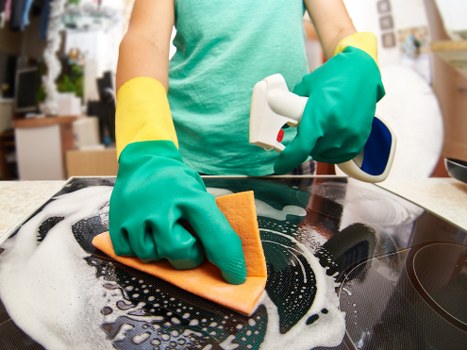
A clean office is more than visually appealing; it can influence performance in practical ways. Clutter and dirt create mental noise. When people work in a clean, organized environment, they are less likely to feel distracted and more likely to stay focused on their tasks.
Office cleaning supports productivity by creating an environment where employees can move efficiently, find what they need quickly, and work without unnecessary interruption. Clean surfaces and clear walkways also reduce the chance of accidents or delays caused by mess.
There is also a psychological effect. Cleanliness communicates order, control, and care. Employees often feel more valued when their workplace is maintained properly. That sense of respect can influence motivation, retention, and how staff view the company as a whole.
Less Absence, Better Continuity
Another productivity benefit is lower absenteeism. When office cleaning is performed regularly and effectively, the spread of germs is reduced. Fewer illnesses can mean fewer missed days, smoother scheduling, and better continuity in day-to-day operations.
In fast-paced environments, even small disruptions can affect deadlines and customer service. Clean, sanitized workspaces help reduce those disruptions and support consistent performance across teams.
Choosing the Right Office Cleaning Schedule
Every workplace has different cleaning needs. A small office with a few employees may require a light daily routine and a deeper weekly clean, while a large corporate space might need more frequent attention. The right office cleaning schedule depends on traffic, layout, business type, and hygiene expectations.
To build an effective schedule, consider these factors:
- The number of employees using the space
- How often clients or visitors come in
- Whether the office has shared workstations
- The presence of kitchens, restrooms, or break rooms
- How much carpet, glass, or specialty flooring the office contains
A cleaning plan should balance visibility and hygiene. High-traffic areas often need attention every day, while conference rooms may need cleaning after meetings or at the end of each day. Periodic deep cleaning can be scheduled monthly or quarterly depending on usage.
Custom Office Cleaning Plans
The best office cleaning arrangements are often customized. A flexible plan allows businesses to prioritize the areas that matter most while avoiding unnecessary services. This can be especially helpful for offices with changing schedules, seasonal traffic, or specialized departments.
Book your service now if your workplace is ready for a cleaning plan that matches its actual needs rather than a one-size-fits-all routine.
Eco-Friendly Office Cleaning Options
Sustainability has become an important factor in workplace operations, and office cleaning is no exception. Many businesses now prefer eco-friendly products and methods that reduce chemical exposure and lower environmental impact. This approach can improve indoor air quality while supporting a company’s broader sustainability goals.
Green office cleaning may include biodegradable products, reusable microfiber cloths, low-water methods, and products with fewer harsh ingredients. These options can be effective for everyday maintenance while being gentler on surfaces, people, and the environment.
Eco-friendly office cleaning can also support employee well-being. In some workplaces, strong chemical odors or residues may be a concern for staff with sensitivities. Choosing greener alternatives can create a more comfortable atmosphere without sacrificing cleanliness.
Why Sustainability Matters
Many clients and employees appreciate companies that make thoughtful choices. A greener cleaning approach can reinforce a business’s commitment to responsibility and care. It is a simple but meaningful way to align workplace upkeep with modern values.
When done correctly, sustainable office cleaning delivers the same polished results expected from traditional methods, while offering added benefits for health and environmental impact.
How to Maintain a Clean Office Between Professional Visits
Even when a professional office cleaning team handles the heavy lifting, employees can help maintain a tidy and hygienic environment between visits. Small daily habits go a long way toward preserving cleanliness and preventing clutter from building up.
Useful maintenance habits include:
- Clearing desks at the end of each day
- Wiping down personal work surfaces
- Cleaning up spills immediately
- Storing food properly in kitchens and break rooms
- Keeping cables, papers, and office supplies organized
- Throwing away rubbish instead of leaving it on desks
These simple habits help office cleaning teams work more efficiently and allow the office to stay presentable for longer. A clean culture works best when everyone contributes a little.
Encouraging Staff Participation
Managers can encourage tidiness by making cleaning expectations clear and providing enough supplies for everyday upkeep. Desk organizers, sanitizing wipes, bin access, and labeled storage areas all make it easier for employees to maintain order.
When office cleaning is seen as part of the company culture rather than an isolated service, the whole workplace benefits.
Common Office Cleaning Mistakes to Avoid
Even with a good cleaning plan, some mistakes can reduce results. One common issue is focusing only on visible areas. While polished floors and tidy reception spaces are important, hidden buildup on switches, under furniture, and around equipment can still affect hygiene and appearance.
Another mistake is using the wrong products for delicate surfaces. Not all cleaners suit all materials, and harsh products can damage screens, furniture finishes, or flooring. Proper product selection is a key part of effective office cleaning.
A third issue is irregular scheduling. Offices often get busy and cleaning can slip down the priority list. However, skipping regular cleaning usually leads to larger problems later, including deeper stains, more visible clutter, and a less professional atmosphere.
Signs Your Office Needs Better Cleaning
Look out for these warning signs:
- Persistent dust on surfaces and vents
- Unpleasant odors in kitchens or restrooms
- Sticky floors or stained carpets
- Overflowing bins
- Fingerprints on glass and doors
- Employees frequently mentioning mess or hygiene concerns
If these problems are becoming common, it may be time to review your office cleaning routine and make improvements.
Office Cleaning for Different Types of Workplaces
Not all workplaces have the same requirements. A law office, creative agency, medical-adjacent workspace, and coworking hub will each need a slightly different approach to office cleaning. The goal is always the same, but the priorities can vary significantly.
For example, client-facing offices may need extra attention in reception and meeting spaces. Open-plan offices may need more frequent disinfection of shared surfaces. Smaller private offices may focus more on dust control, waste removal, and floor care. The most effective office cleaning strategies take these differences into account.
Industry-specific considerations may also include privacy, security, after-hours access, and special cleaning requirements for equipment or materials. A tailored plan helps ensure the workplace stays clean without disrupting operations.
Scalable Cleaning as the Business Grows
As businesses expand, cleaning needs change. More staff means more foot traffic, more waste, and more wear on floors and furniture. Scalable office cleaning services make it easier to adapt as the workplace evolves.
Planning ahead can save time and reduce stress. Rather than waiting for problems to appear, businesses can grow into a cleaning routine that supports their next stage of development.
Final Thoughts on Office Cleaning
Office cleaning is one of the simplest ways to improve a workplace, yet its impact is often underestimated. From better hygiene and stronger first impressions to improved focus and longer-lasting assets, the benefits extend across the entire business. A clean office supports the people who use it every day and reflects positively on the organization as a whole.
Whether you need routine maintenance, targeted sanitation, or a tailored service for a busy workplace, office cleaning should be treated as an essential part of your operations. The right approach helps create a space where employees can work comfortably and visitors can feel confident in the professionalism of your business.
If your workplace is ready for a fresher, more organized environment, contact us today to explore office cleaning solutions that fit your needs. A cleaner office is not just a nicer office; it is a smarter investment in your team, your image, and your day-to-day success.