End of Tenancy Cleaning: A Practical, SEO-Friendly Approach to a Stress-Free Move-Out
What End of Tenancy Cleaning Really Means

End of tenancy cleaning is the thorough cleaning process carried out when a tenant leaves a rented property. It is designed to return the home to a condition that meets landlord or letting agent expectations, while also helping the next occupier move into a fresh, hygienic space. For tenants, it can be the difference between receiving a full deposit refund and facing avoidable deductions.
Unlike everyday cleaning, end of tenancy cleaning focuses on every visible and hidden area of the property. It often includes deep cleaning kitchens, bathrooms, floors, appliances, skirting boards, fixtures, fittings, and sometimes windows or upholstery. When done properly, it removes built-up dirt, grease, limescale, and dust that may have accumulated over months or years.
Many renters underestimate how detailed tenancy cleaning needs to be. A quick tidy-up is rarely enough. Most tenancy agreements expect the property to be left in a similar state to when the tenancy began, allowing for fair wear and tear. That is why an organized and methodical approach matters so much.
Why End of Tenancy Cleaning Matters

The main reason people book end of tenancy cleaning is to protect their deposit. Landlords and letting agents often inspect the property carefully before approving the final handover. If the home is not cleaned to a satisfactory standard, deductions may be made for professional cleaning, stain removal, or extra labor. Investing time in proper cleaning can save money and reduce stress.
There is also a practical side. A well-cleaned property creates a positive final impression and can help avoid disputes. Even if the property has been well maintained during the tenancy, a final deep clean shows responsibility and care. This is especially important in competitive rental markets where references and good tenancy history can matter.
For landlords and property managers, professional move out cleaning supports faster turnaround between tenants. Cleaner properties are easier to inspect, photograph, and re-market. In short, good cleaning benefits everyone involved in the renting process.
What Is Included in End of Tenancy Cleaning?
Key Areas to Focus On

A proper end of tenancy cleaning service usually covers all rooms and surfaces in the property. The exact checklist can vary depending on the tenancy agreement, property size, and whether the home is furnished or unfurnished. However, most thorough cleans include the following:
- Kitchen cupboards, worktops, sinks, and taps
- Oven, hob, extractor fan, and splashbacks
- Bathroom tiles, toilets, showers, baths, and mirrors
- Skirting boards, light switches, doors, and frames
- Vacuuming and mopping floors throughout the property
- Dusting shelves, radiators, and hard-to-reach corners
- Inside windows, where accessible and required
- Removal of cobwebs, stains, and general grime
In some cases, rental property cleaning also includes inside appliances such as fridges, freezers, washing machines, and dishwashers. If the home was furnished, upholstery and mattress cleaning may also be expected. Always check the inventory report and tenancy agreement to see what is required.
It is worth remembering that deep cleaning for tenants goes beyond surface-level wiping. The aim is to make the property look freshly maintained, hygienic, and ready for inspection. That level of detail is what helps tenants avoid unnecessary disputes.
How to Prepare for End of Tenancy Cleaning
Before You Start Scrubbing
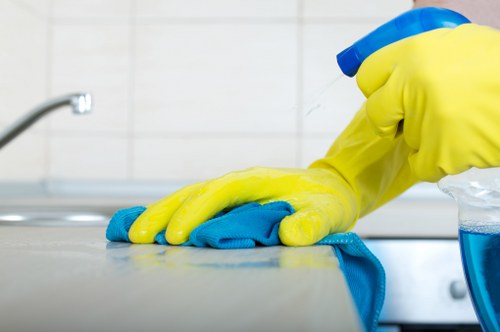
Preparation makes end of tenancy cleaning far more manageable. Before starting, remove all personal belongings from cupboards, drawers, shelves, and floors. Clear away rubbish, empty bins, and disconnect any appliances that need to be cleaned behind or underneath. A clutter-free property is much easier to clean properly and allows you to spot areas that need attention.
Next, gather your cleaning supplies. A good set of tools for move out cleaning usually includes microfiber cloths, sponges, a mop, a vacuum cleaner, glass cleaner, disinfectant, descaler, oven cleaner, and gloves. If you are dealing with stubborn limescale or grease, you may also need specialist products. Having everything ready prevents unnecessary interruptions once you begin.
It can also help to work room by room. This approach keeps the task organized and avoids missing important details. Start with the least dirty rooms and move toward the most demanding areas such as the kitchen and bathroom. That way, you will not spread dirt from one area into another.
Room-by-Room End of Tenancy Cleaning Checklist
Living Room and Bedrooms
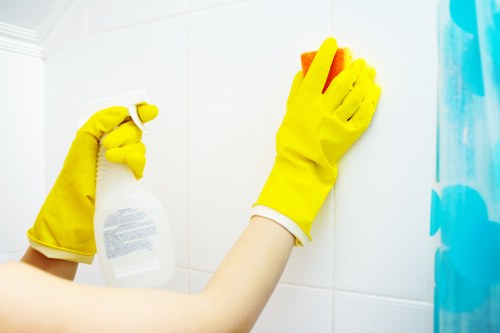
In living rooms and bedrooms, end of tenancy cleaning usually focuses on dust removal, floor care, and surface sanitation. Wipe down skirting boards, light switches, window sills, door handles, and built-in storage. Vacuum carpets thoroughly, paying attention to corners and edges where dust builds up. For hard floors, use an appropriate mop or cleaner to remove stains and footprints.
If the property includes wardrobes, drawers, shelving, or other furniture, clean the inside and outside surfaces carefully. Remove marks from walls if possible, but avoid damaging paintwork. Where there are stains on carpets or upholstered furniture, spot clean them using the correct method. If required by the agreement, professional carpet cleaning may be a smart addition to your tenancy cleaning plan.
Windows and mirrors should also be left streak-free. Use glass cleaner or a vinegar solution for a polished finish. Do not forget dusting behind radiators, under beds, and around curtain poles. These overlooked spots often make a big difference during the final inspection.
Kitchen Cleaning Priorities
The kitchen is often the most demanding part of end of tenancy cleaning. Grease, food residue, and limescale can build up on almost every surface. Clean the oven, hob, and extractor fan thoroughly, removing baked-on residue and grease from knobs and panels. Wipe inside cupboards, drawers, and pantry spaces, making sure all crumbs and spills are gone.
Sink areas should be descaled and disinfected, while taps and drains should be left clean and odour-free. Clean the exterior of appliances such as microwaves, fridges, dishwashers, and washing machines. If these appliances are part of the tenancy, pay attention to seals, handles, and shelves inside. A sparkling kitchen creates one of the strongest impressions during an inspection.
Floors in the kitchen should be vacuumed and mopped carefully, especially where food and grease may have settled. If there are marks on walls behind bins or cooking areas, remove them if possible. A move out cleaning checklist that overlooks the kitchen is likely to fall short of expectations.
Bathroom Cleaning Priorities
Bathrooms require a strong focus on hygiene and mineral buildup. During end of tenancy cleaning, descale taps, shower screens, tiles, and sinks to remove limescale and soap scum. Scrub the toilet inside and out, including the base, cistern, and behind the seat. Clean mirrors, cabinets, and any shelving or fixtures in the room.
Shower trays and bathtubs should be disinfected and left free from mould, stains, and residue. Ventilation fans, towel rails, and light fittings should also be dust-free. If there is mildew around grout or sealant, treat it carefully with an appropriate cleaner. A fresh, sanitary bathroom can influence how the whole property is judged.
Because bathrooms are high-moisture areas, they often show visible wear quickly. That is why tenancy cleaning in this room must be thorough and consistent. Even small details, such as polished taps and clean plugholes, can improve the overall result.
Professional End of Tenancy Cleaning vs DIY Cleaning
Which Option Is Better?
Many tenants wonder whether they should clean the property themselves or hire professionals. Both options have advantages, but the right choice depends on time, budget, and the condition of the home. DIY end of tenancy cleaning can be cost-effective if the property is relatively clean and you have the right equipment. However, it demands time, energy, and a strong eye for detail.
Professional end of tenancy cleaning services are often chosen when tenants want a higher likelihood of passing the final inspection. Experienced cleaners know where landlords and agents usually look first. They also use commercial-grade products and methods that can tackle tough grease, limescale, and stains more effectively than standard household products.
For many people, the best solution is a hybrid approach. You may handle general tidying, decluttering, and basic cleaning yourself, then book professionals for the most difficult areas such as ovens, carpets, or bathrooms. This can save time while still delivering an excellent result.
Another consideration is peace of mind. When moving house, people are often dealing with removals, paperwork, and deadlines. Hiring a trusted move out cleaning team can reduce pressure and help ensure the property is left in a suitable condition.
Common Mistakes to Avoid During Tenancy Cleaning
Simple Errors That Can Cost You
One common mistake in end of tenancy cleaning is leaving it until the last minute. Rushed cleaning tends to miss hidden dirt and important details. Another mistake is focusing only on visible surfaces while ignoring areas like skirting boards, light fittings, and inside cabinets. These are exactly the places that landlords and agents often inspect.
Using the wrong products can also create problems. Harsh chemicals may damage surfaces, flooring, or paintwork, which could lead to deductions. Always test cleaning products in an inconspicuous area first if you are unsure. Similarly, using too much water on wooden surfaces or carpets can cause additional issues.
Some tenants assume that a quick vacuum and wipe-down are enough. In reality, end of tenancy cleaning should be much more detailed. The aim is not simply to make the home look tidy but to return it to a professionally acceptable standard. That means paying attention to grime, stains, smells, and neglected corners.
Another frequent oversight is forgetting outside spaces, such as balconies, storage cupboards, or utility areas. If these were included in the tenancy, they may need cleaning too. A careful check of the inventory can prevent missed tasks.
Top mistakes to avoid
- Leaving cleaning until moving day
- Ignoring the oven and bathroom
- Forgetting inside cupboards and drawers
- Not checking the inventory list
- Using unsuitable chemicals on delicate surfaces
How Landlords and Letting Agents Assess the Property
Understanding the inspection process can help tenants prioritize their end of tenancy cleaning efforts. Landlords and letting agents usually compare the current condition of the property with the inventory and check-in report. They look for cleanliness, damage, missing items, and any signs of neglect. Areas that are often scrutinized include kitchens, bathrooms, carpets, and appliances.
They also tend to look for hidden issues, such as dust behind furniture, residue inside cupboards, and stains on walls or floors. A property can look tidy at first glance but still fail an inspection if there are overlooked details. This is why tenancy cleaning should be approached systematically rather than casually.
If the property is professionally cleaned, keeping receipts or invoices may help show that the work was completed to a reasonable standard. Even if you do the work yourself, a checklist and photos can help demonstrate that you took the responsibility seriously.
Benefits of Booking a Professional Cleaning Service
Choosing a professional end of tenancy cleaning service offers several practical benefits. First, it saves time, which is especially valuable during the hectic moving period. Second, experienced cleaners are trained to handle stubborn dirt and specialist tasks more efficiently. Third, many services provide detailed checklists that align with common landlord expectations.
Professional cleaners can also bring the right equipment for deep cleaning tasks. This may include steam cleaners, industrial vacuums, specialized degreasers, and carpet treatment products. When used correctly, these tools can produce a better finish than standard domestic methods. For tenants who want a polished, inspection-ready result, this can be a major advantage.
Another benefit is consistency. A team that performs move out cleaning regularly is likely to follow a structured process, ensuring nothing is missed. That consistency can reduce the chance of disputes and improve the overall quality of the final handover.
Book your service now if you want to reduce moving stress and improve your chances of a smooth checkout. End of tenancy cleaning is one of the smartest investments you can make before leaving a rented home.
Planning a Cost-Effective Cleaning Strategy
Save Time and Money Without Cutting Corners
It is possible to keep end of tenancy cleaning affordable without sacrificing quality. Start by creating a checklist based on the property’s inventory report. This helps you avoid wasting time on areas that are already in good condition and focus your energy where it matters most. It also makes the work more efficient if multiple people are helping.
Use the right products the first time. Buying a small selection of effective cleaners is often cheaper than trying many different products that do not work. For example, one good degreaser, one descaler, one glass cleaner, and one disinfectant may cover most tasks. Efficient tool selection can reduce both cost and effort.
If you are doing the work yourself, split the cleaning over a few days rather than attempting everything in one exhausting session. This reduces mistakes and helps you maintain a higher standard. For many tenants, a focused, staged approach produces a better result than a rushed all-at-once effort.
When time is short, prioritize the areas most likely to affect the inspection: kitchen, bathroom, floors, and visible surfaces. Deep-cleaning everything else can follow if time permits. This practical method is especially useful for tenancy cleaning when a move-out deadline is approaching fast.
Final Checks Before Handing Back the Keys
Before returning the keys, walk through the property one final time. Open cupboards, check under sinks, and look behind doors and furniture. Make sure no personal items, rubbish, or cleaning materials remain. Check that all lights, appliances, and windows are secure if that is part of your departure process. This final review is an important part of end of tenancy cleaning because it catches anything overlooked earlier.
Smell the rooms as well. Lingering odors from pets, cooking, or bins can affect the perception of cleanliness even if the surfaces look clean. A neutral-smelling property feels fresher and more cared for. If needed, ventilate rooms for a few hours before the final inspection.
Take clear photos after cleaning is complete. These images can be useful if there are disagreements later about the condition of the property. While they do not guarantee a dispute-free outcome, they can provide helpful evidence that the home was left in good condition.
Frequently Overlooked Areas in End of Tenancy Cleaning
Even the most diligent cleaners can miss certain spots. Commonly forgotten areas include tops of cupboards, behind radiators, underneath large appliances, inside light shades, along door frames, and around plug sockets. These places can accumulate dust and grime over time, and they are easy for inspectors to notice.
Also remember switches, handles, and remote controls if they belong to the property. These high-touch areas should be wiped and disinfected. For furnished homes, the backs of sofas, under cushions, and mattress seams may also require attention. A thorough end of tenancy cleaning routine should account for all these small but important details.
It is often these overlooked areas that separate an average clean from an excellent one. If the property looks freshly maintained in every corner, the final impression will be much stronger.
Conclusion: Make Your Move-Out Smoother with the Right Cleaning Plan
End of tenancy cleaning is more than a final chore. It is a practical step that protects your deposit, improves your chances of a smooth checkout, and leaves the property in a respectful condition for the next occupant. Whether you choose to do it yourself or hire professionals, success depends on preparation, attention to detail, and a clear checklist.
By focusing on kitchens, bathrooms, floors, appliances, and hidden areas, you can create a result that meets typical rental expectations. Add in a structured plan, the right supplies, and a final inspection, and the process becomes much more manageable. For many tenants, move out cleaning is one of the most important parts of the entire moving experience.
If you are preparing to leave a rented home, take action early and give yourself enough time to do the job properly. Contact us today if you want support, or book your service now to make your move-out easier and more efficient. A well-executed tenancy cleaning plan can help turn a stressful transition into a smooth and successful one.