Deep Cleaning in Modern Homes: What It Is, Why It Matters, and How to Do It Right
Deep cleaning is more than a surface-level tidy-up. It is the process of removing built-up dirt, grease, dust, bacteria, and hidden grime from areas that regular cleaning often misses. When people search for deep cleaning, they are usually looking for a smarter, more thorough way to restore freshness, improve hygiene, and make a home feel truly renewed. Whether you are preparing for a seasonal refresh, moving into a new place, or simply trying to reclaim a healthier living space, deep cleaning can make a dramatic difference.
Unlike quick daily chores, deep cleaning focuses on the spots that are easy to ignore: behind appliances, under furniture, inside cabinets, grout lines, baseboards, vents, and other high-impact areas. It is also a valuable way to reduce allergens, eliminate odors, and create a cleaner environment for children, pets, guests, and family members.
In this article, we will explore what deep cleaning includes, how it differs from routine cleaning, when it should be done, and why it is such an important part of home care. You will also find practical tips, room-by-room strategies, and expert advice to help you get the most from every deep cleaning session.
What Is Deep Cleaning?

Deep cleaning is a detailed cleaning method that goes beyond everyday dusting and wiping. It targets buildup that accumulates over time, such as soap scum, food residue, grease, pet hair, and hidden dirt. The goal is not just to make a room look neat, but to thoroughly refresh the entire space from top to bottom.
While routine cleaning keeps a home visually presentable, deep cleaning tackles the areas that affect cleanliness at a deeper level. This often includes scrubbing, disinfecting, degreasing, organizing, and moving items to clean underneath and behind them. A proper deep cleaning session can leave your home feeling brighter, healthier, and more comfortable.
Deep cleaning is especially useful in kitchens, bathrooms, bedrooms, and high-traffic areas where grime builds up quickly. It can also be adapted for apartments, offices, rental properties, and commercial spaces. No matter the setting, the purpose remains the same: to restore a higher standard of cleanliness.
Why Deep Cleaning Matters for Every Home
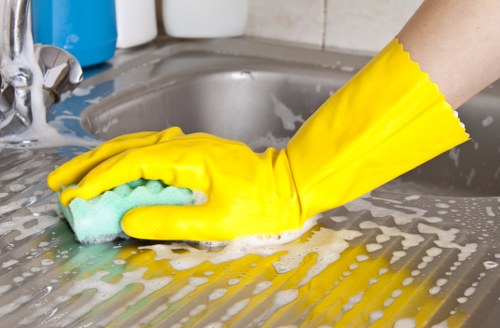
Many people assume that if a home looks clean, it is clean. In reality, hidden buildup can continue to collect in corners, around fixtures, and in places that are not part of daily cleaning routines. Deep cleaning helps address these unseen areas before they become bigger issues.
One major benefit is improved indoor air quality. Dust, pet dander, and allergens can settle into carpets, upholstery, blinds, and vents. Deep cleaning reduces these irritants and helps create a fresher breathing environment. This can be especially helpful for households with allergy sufferers or people who are sensitive to dust.
Another important reason is hygiene. Kitchens and bathrooms, in particular, can harbor bacteria and germs if not cleaned thoroughly. Deep cleaning allows you to disinfect surfaces properly and reduce the risk of unpleasant odors, stains, and contamination.
Health, Comfort, and Peace of Mind
A clean home is not only about appearance; it affects how you feel every day. A thorough deep cleaning can reduce stress, improve comfort, and make your space more enjoyable to live in. When your home is well maintained, daily routines become easier and more relaxing.
Deep cleaning services and self-managed cleaning plans alike often focus on creating a healthier environment. That means less dust on surfaces, fewer allergens in the air, and cleaner touchpoints throughout the home. It also gives you peace of mind knowing that your living space has been refreshed more completely than a standard clean can achieve.
For families, renters, and homeowners alike, deep cleaning can also support property upkeep. Regular attention to grime, buildup, and wear can help surfaces last longer and preserve the overall value of the home.
How Deep Cleaning Differs from Regular Cleaning
It is easy to confuse the two, but the difference is significant. Regular cleaning usually involves tasks like wiping counters, sweeping floors, making beds, and cleaning visible surfaces. These are essential habits, but they do not remove all accumulated dirt.
Deep cleaning includes those basic tasks and then expands far beyond them. It may involve:
- Scrubbing tile grout and bathroom fixtures
- Cleaning inside ovens, refrigerators, and cabinets
- Washing baseboards, trim, and door frames
- Vacuuming under furniture and appliances
- Disinfecting high-touch surfaces
- Removing buildup from vents and fans
This extra effort is what makes deep cleaning so effective. It reaches into the hidden places where grime silently builds up over weeks and months.
When Should You Schedule Deep Cleaning?

There is no single correct time for deep cleaning, but certain moments are especially ideal. Many homeowners choose to do it seasonally, while others prefer to schedule it before holidays, after special events, or during life transitions such as moving.
Some common times to prioritize deep cleaning include:
- At the start of spring or fall
- Before hosting guests or celebrations
- After moving into a new home
- Before or after a renovation
- When preparing a property for sale or rental
- After illness to improve sanitation
For busy households, deep cleaning in high-traffic seasons can be especially helpful. Children, pets, work-from-home setups, and constant foot traffic can all increase the rate at which dust and dirt accumulate. A scheduled deep clean keeps things under control before buildup becomes overwhelming.
Some homes benefit from a full deep cleaning every few months, while others may need it only a few times a year. The right frequency depends on lifestyle, family size, pets, allergies, and the overall condition of the space.
Room-by-Room Deep Cleaning Priorities
Different rooms require different levels of attention. The best deep cleaning plan is tailored to the spaces that need the most work. By breaking the job into zones, the process becomes easier to manage and far more effective.
Here is how to approach the main areas of a home:
Kitchen Deep Cleaning
The kitchen is one of the most important rooms to deep clean because it combines food preparation, spills, grease, and heavy use. Focus on the oven, stovetop, backsplash, sink, refrigerator shelves, cabinet fronts, and hard-to-reach areas behind appliances.
- Degrease cooking surfaces
- Clean appliance handles and buttons
- Wipe inside drawers and cabinets
- Scrub sink drains and faucet bases
- Wash walls near high-use areas
Pay special attention to hidden crumbs and residue, since these can attract pests and create odors.
Bathroom Deep Cleaning

Bathrooms need regular attention, but deep cleaning goes further by removing soap scum, mineral deposits, mildew, and buildup in corners and around fixtures. Toilets, tubs, showers, mirrors, grout, drains, and under-sink storage areas should all be addressed.
Useful bathroom deep cleaning tasks include:
- Disinfecting sinks, toilets, and counters
- Scrubbing tile and grout lines
- Cleaning shower doors and tracks
- Removing buildup from faucets and drains
- Washing bath mats and exhaust covers
A well-executed deep cleaning routine in the bathroom can dramatically improve the look, smell, and hygiene of the room.
Living Room and Bedroom Cleaning
Living rooms and bedrooms may seem easier to maintain, but they still collect dust, lint, and allergens. Deep cleaning in these spaces often includes vacuuming under beds and sofas, washing curtains, cleaning ceiling fans, and wiping baseboards and light switches.
In bedrooms, pay special attention to mattresses, pillows, headboards, and closet shelves. In living rooms, focus on upholstery, electronics, coffee tables, and decorative surfaces. These zones benefit from a detailed approach because they are used daily but often cleaned superficially.
Essential Deep Cleaning Tasks Most People Miss
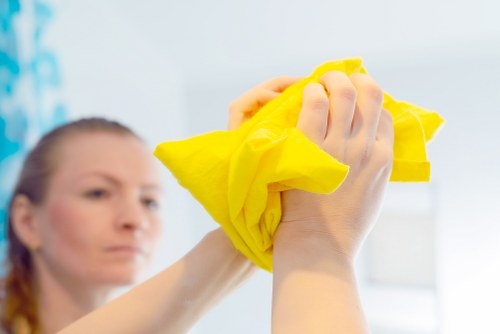
Even people who clean regularly tend to overlook certain spots. These forgotten areas can quietly collect dust and grime, which is why a true deep cleaning strategy must include them.
Commonly missed places include:
- Light switches and outlet covers
- Door frames and tops of doors
- Under furniture and appliances
- Window tracks and blinds
- Air vents and ceiling fans
- Baseboards and trim
- Cabinet tops and shelf corners
These areas are easy to ignore because they are not always visible. However, once cleaned, they make a noticeable difference in how fresh and polished a home feels. This is one reason deep cleaning delivers such satisfying results.
Deep cleaning in these overlooked spaces also helps reduce dust circulation and makes maintenance easier over time. Once buildup is removed, future routine cleaning becomes quicker and more effective.
Tools and Supplies That Make Deep Cleaning Easier
Using the right products and tools can significantly improve your results. While deep cleaning does not require expensive equipment, having a solid toolkit saves time and effort.
Helpful supplies often include:
- Microfiber cloths
- Scrub brushes and grout brushes
- Vacuum with attachments
- Mop and bucket
- All-purpose cleaner
- Disinfectant spray or wipes
- Glass cleaner
- Degreaser
- Toilet bowl cleaner
- Rubber gloves
It is also useful to keep a small caddy or basket with your supplies so you can move efficiently from room to room. If you prefer eco-friendly options, many natural cleaners can handle basic deep cleaning tasks without harsh chemicals.
Choosing Products Wisely
When selecting cleaning products, always check the surface type and follow label instructions. Some materials, such as natural stone, hardwood, or delicate finishes, require gentler products. Using the wrong cleaner can cause damage instead of delivering a better result.
Deep cleaning should improve your home, not create extra repair work. Careful product selection protects surfaces while ensuring a thorough clean.
How to Build an Effective Deep Cleaning Routine
A successful cleaning plan works best when it is structured. Trying to do everything at once can be exhausting, so many people find it easier to break the process into manageable steps. This helps maintain consistency and prevents burnout.
Here is a practical approach:
- Declutter the area first
- Move from top to bottom
- Work from dry tasks to wet tasks
- Focus on one room at a time
- Use a checklist to track progress
Starting with decluttering makes cleaning faster because there are fewer obstacles. Cleaning from top to bottom ensures dust falls onto lower surfaces that have not yet been cleaned. Working room by room keeps the project organized and easier to finish.
If you are short on time, you can spread deep cleaning across several days. For example, one day might be for the kitchen, another for bathrooms, and another for bedrooms and living spaces. This method is practical and less overwhelming for busy households.
Benefits of Professional Deep Cleaning Services
Many homeowners enjoy doing some cleaning themselves, but professional support can be a smart choice when time, energy, or workload becomes a challenge. Professional deep cleaning services are designed to handle detailed work efficiently and thoroughly.
The main advantages include:
- Saving time and effort
- Access to specialized tools and products
- More consistent results
- Detailed attention to hidden areas
- Reduced stress during busy periods
Professionals often have systems in place that help them work faster without sacrificing quality. They know how to tackle stubborn buildup, sanitize sensitive areas, and clean efficiently in a way that supports long-lasting freshness.
For homeowners who want a stronger reset, professional deep cleaning can be a practical investment. It can also be especially useful before events, after renovations, or when a home has not been thoroughly cleaned in a long time. Book your service now.
Deep Cleaning Tips for Better Results
Even a solid plan can be improved with a few smart techniques. Small adjustments in method can make deep cleaning faster, more effective, and less tiring.
Here are a few helpful tips:
- Open windows for ventilation when using strong products
- Let cleaners sit for a few minutes before scrubbing
- Use microfiber cloths to capture more dust
- Replace dirty water often to avoid spreading grime
- Clean from cleanest to dirtiest areas
- Take breaks to stay focused and avoid fatigue
One of the most useful habits is to stay consistent. A home that receives regular maintenance will need less effort during each deep cleaning session. Even small habits, like wiping down sinks daily or vacuuming high-traffic areas weekly, can prevent buildup from becoming a major problem.
Consistency matters more than perfection. A realistic routine is easier to maintain and will deliver better long-term results than an ambitious plan that never gets finished.
Why Deep Cleaning Is Good for Home Value and Longevity
Deep cleaning does more than improve appearance. It also helps protect the materials and fixtures inside your home. Dust, grease, moisture, and residue can wear down surfaces over time. By addressing these issues early, you help preserve the condition of flooring, tile, appliances, furniture, and fixtures.
This matters whether you plan to stay in your home for years or eventually sell it. A well-maintained property tends to feel more inviting and can make a better impression on visitors, buyers, and tenants. Regular deep cleaning also supports longevity by reducing the need for costly repairs caused by neglect.
In addition, homes that are cleaned thoroughly on a regular basis usually feel more organized and easier to manage. That sense of order has practical benefits, but it also contributes to a calmer, more enjoyable living environment.
Making Deep Cleaning Part of a Long-Term Routine
The best results come when deep cleaning is not treated as a one-time event. Instead, it should be viewed as part of ongoing home care. Adding periodic deep cleaning sessions to your calendar helps keep dirt and clutter under control all year long.
For many households, a balanced approach works best: routine cleaning for everyday upkeep and periodic deep cleaning for a more thorough reset. This combination keeps the home looking good while also supporting hygiene, comfort, and longevity.
If your space has been overdue for a refresh, now is a great time to begin. Start with one room, build momentum, and keep going until the whole home feels revitalized. Contact us today to take the next step toward a cleaner, healthier space, or book your service now if you want expert help getting it done right.