Communal Area Cleaning: Creating Safer, Fresher, and More Welcoming Shared Spaces
Communal area cleaning plays a major role in how people experience shared buildings every day. Whether it is an apartment block, office complex, student residence, healthcare facility, or mixed-use property, the condition of lobbies, hallways, stairwells, lifts, and shared amenities shapes first impressions and long-term satisfaction. Clean, well-maintained common areas are not just about appearance; they also support hygiene, safety, comfort, and property value.
In busy properties, communal area cleaning helps reduce the spread of dirt, dust, germs, and unpleasant odors. It also makes shared spaces more inviting for residents, visitors, tenants, and staff. A consistent cleaning routine can prevent small problems from turning into expensive repairs, while also creating a sense of order and care throughout the building.
From daily touchpoint disinfection to scheduled deep cleaning, a strong communal area cleaning plan should be tailored to the building’s use and traffic levels. The right approach combines reliable methods, effective products, trained staff, and a practical schedule that keeps every shared space in excellent condition.
What Communal Area Cleaning Includes
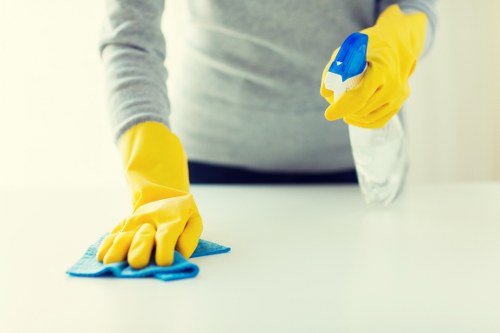
Communal area cleaning refers to the upkeep of any space used by multiple people in a building. These are the areas that see regular foot traffic and shared contact, which makes them more prone to dirt build-up and hygiene concerns. A professional routine often covers cleaning tasks that go beyond simple sweeping and mopping.
Typical communal area cleaning services may include dusting surfaces, sanitizing handles, vacuuming carpets, polishing floors, emptying bins, cleaning glass, and removing litter. Depending on the property, this can also extend to lift interiors, mailroom areas, shared kitchens, washrooms, reception areas, and outdoor entrances.
For many property managers, communal area cleaning is also a key part of building presentation. Clean and tidy shared spaces can influence tenant retention, resident satisfaction, and even the perceived quality of the whole property. That is why many organizations treat it as an essential service rather than an optional extra.
Why Communal Area Cleaning Matters

There are many reasons why communal area cleaning deserves careful attention. First, shared spaces accumulate dirt quickly because many people use them throughout the day. Shoes bring in mud and debris, hands touch railings and buttons, and bins can create odors if not managed properly.
Second, communal area cleaning supports health and hygiene. High-touch surfaces such as door handles, lift buttons, and handrails can carry bacteria and viruses if they are not cleaned regularly. A consistent disinfection routine helps lower the risk of cross-contamination in busy buildings.
Third, tidy shared spaces make a strong visual impact. A sparkling entrance hall, clean staircase, and fresh-smelling corridor instantly improve the atmosphere of a property. For landlords, housing associations, facilities managers, and business owners, this kind of presentation sends a clear message: the building is looked after.
Key benefits at a glance
- Improves hygiene and reduces germs on shared surfaces
- Enhances first impressions for residents and visitors
- Supports safety by keeping floors and pathways clear
- Protects flooring, fixtures, and fittings from long-term damage
- Creates a more pleasant and professional environment
Common Areas That Need Regular Cleaning

Different buildings require different levels of communal area cleaning, but certain spaces usually need routine attention. These areas are used often and can become untidy or unhygienic in a short time if left unattended.
Entryways and lobbies are the first spaces people see, so they should always look clean and welcoming. This includes floors, glass doors, welcome mats, reception desks, and any visible surfaces that collect fingerprints or dust.
Corridors and hallways can gather dust, litter, and scuff marks. Regular vacuuming, sweeping, and damp mopping help maintain a neat appearance and reduce slip risks. Stairwells also need special attention because they are often overlooked, despite being some of the highest-traffic areas in a building.
Additional spaces often included
- Lifts and elevator buttons
- Shared laundry rooms
- Mailrooms and parcel areas
- Shared kitchens and break rooms
- Washrooms and changing areas
- Outdoor entrances, patios, and smoking areas
- Bin stores and waste collection zones
In residential blocks, communal area cleaning may also extend to post boxes, noticeboards, skirting boards, and internal windows. In office buildings, the focus may include reception desks, waiting areas, conference corridors, and staff welfare spaces.
How a Professional Communal Area Cleaning Plan Works
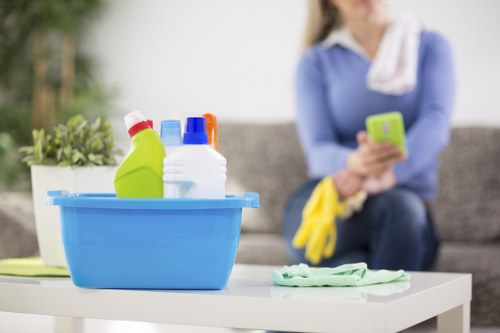
A reliable communal area cleaning plan is built around the needs of the building, the number of occupants, and the level of traffic. High-use properties often require daily service, while smaller blocks may need cleaning several times a week. The goal is to keep the property consistently presentable, hygienic, and safe.
The process usually begins with a site assessment. This allows the cleaning provider or facilities team to identify problem areas, determine the right schedule, and decide which products and methods are most appropriate. For example, a carpeted hallway may need regular vacuuming and periodic deep extraction, while a tiled lobby may benefit from more frequent mopping and buffing.
An effective plan also includes clear task allocation. Daily duties might involve removing rubbish, wiping high-touch points, and sweeping entrance areas. Weekly duties may include polishing surfaces, cleaning glass, and deep-cleaning corners. Monthly or quarterly duties could cover machine scrubbing, high-level dusting, and more intensive sanitation.
Typical elements of a cleaning schedule
- Inspect shared areas for litter, spills, and hazards
- Clean and disinfect high-touch points
- Vacuum or sweep floors and stair edges
- Mop hard flooring with suitable products
- Empty bins and replace liners
- Refresh entrances, mats, and visible surfaces
- Record completed tasks for quality control
Best Practices for Effective Communal Area Cleaning
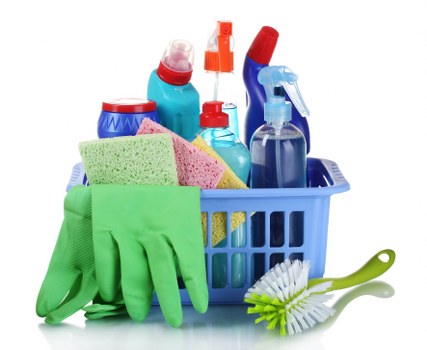
Communal area cleaning is most effective when it follows proven best practices. A structured approach makes sure nothing is missed and helps maintain a consistent standard over time. Cleaners should work methodically from top to bottom and from cleaner areas to dirtier zones to avoid spreading dust and debris.
Using the correct products is also important. Not every surface should be cleaned the same way. Glass, stainless steel, carpet, vinyl, wood, and tile all have different maintenance needs. Choosing the wrong chemical or tool can cause damage, dull finishes, or leave streaks behind.
Another important practice is focusing on touchpoint hygiene. Door handles, switches, banisters, lift buttons, and handrails are touched frequently and should be cleaned carefully. In busy environments, these surfaces may need more than one clean per day to stay hygienic.
Professional habits that improve results
- Use color-coded equipment to reduce cross-contamination
- Follow manufacturer instructions for all cleaning products
- Wear suitable PPE when handling chemicals or waste
- Pay attention to corners, edges, and hard-to-reach areas
- Use microfiber cloths for better dust and dirt capture
- Report damage, stains, or maintenance issues promptly
Consistency matters. A building that is cleaned well one day but neglected the next will never feel truly cared for. That is why many property teams invest in a structured communal area cleaning routine with clear standards and regular checks.
Communal Area Cleaning and Health Standards
One of the most important reasons for communal area cleaning is to support a healthier environment. Shared buildings can quickly become hotspots for germs if cleaning is inconsistent. That risk increases during cold and flu season, in densely populated blocks, or in workplaces where people move in and out throughout the day.
High-touch sanitation is central to good hygiene. Cleaning removes visible dirt, while disinfection targets harmful microbes on surfaces. When both are used correctly, the result is a much safer shared environment. This is especially important in washrooms, shared kitchens, and entrances where people gather closely.
Good communal area cleaning also helps reduce allergens such as dust, pollen, and pet dander. Regular vacuuming, dusting, and air-quality-conscious cleaning can make a real difference for people with asthma or sensitivities. In this way, cleaning is not only about appearance but also about day-to-day wellbeing.
Health-focused cleaning priorities
- Sanitize high-contact surfaces frequently
- Prevent mold and mildew in damp areas
- Keep waste areas clean and odor-free
- Maintain ventilation grilles and filters where relevant
- Remove standing water and spill hazards quickly
Building managers should also consider the materials used in cleaning. Low-odor, environmentally responsible products can help create a safer indoor atmosphere while still delivering strong results. This is especially useful in shared buildings where many different people use the same space each day.
Choosing the Right Communal Area Cleaning Frequency
The ideal cleaning frequency depends on the size of the property, occupancy levels, and how quickly areas become dirty. A small residential building with limited traffic may need a light clean a few times a week, while a large commercial property might need multiple visits each day. There is no one-size-fits-all answer.
For example, entrance lobbies and lifts often need daily attention because they are constantly used. Stairwells can accumulate dust and litter fast, especially in buildings with many residents. Shared kitchens and washrooms usually require more frequent cleaning because hygiene expectations are higher in those spaces.
In many cases, a flexible schedule works best. Seasonal changes, weather conditions, and occupancy patterns can all affect how much cleaning is required. Winter may bring more mud and moisture into entrances, while summer can increase dust and odors in waste areas. A good plan adapts to these changes.
Factors that influence cleaning frequency
- Number of residents, employees, or visitors
- Building type and layout
- Surface materials and finish
- Weather and seasonal conditions
- Presence of shared amenities
- Local hygiene expectations and regulations
How Communal Area Cleaning Protects Property Value
Well-executed communal area cleaning can directly support property value. Shared spaces are often where people judge the overall quality of a building, and those judgments influence everything from tenant satisfaction to lease renewals. A clean building feels more premium, more secure, and more professionally managed.
Neglected common areas can have the opposite effect. Dirty walls, stained carpets, smelly bins, and worn-looking surfaces may create the impression that the building is poorly maintained. Over time, that can reduce pride among occupants and increase complaints from residents or tenants. It can also contribute to avoidable maintenance costs when dirt and grime are allowed to build up.
Regular cleaning protects surfaces. Dust, grit, and moisture can damage finishes over time, especially on floors, door frames, and handrails. By removing debris early and using the correct techniques, communal area cleaning helps extend the life of the building’s features and reduce replacement expenses.
Property-related advantages
- Maintains a professional appearance
- Preserves flooring and surface quality
- Reduces complaints and negative impressions
- Supports higher occupancy appeal
- Helps limit costly deterioration
Communal Area Cleaning for Residential Buildings
In residential settings, communal area cleaning plays a major role in everyday comfort. Residents expect hallways, entrances, stairwells, and lifts to be clean, safe, and pleasant. Since these areas are used by people of all ages, presentation and hygiene are both important.
Apartment blocks often need a cleaning routine that handles everything from muddy footprints to discarded packaging. Shared spaces can become untidy quickly, especially when families, visitors, and delivery drivers come and go throughout the day. A dependable cleaning service helps keep the building orderly and respectful for everyone living there.
Residents also appreciate the sense of community that clean shared spaces can create. A tidy staircase or polished lobby contributes to pride in the property and helps reinforce standards. It shows that management values the living environment, not just individual units.
Residential cleaning priorities
- Entrance mats and front doors
- Noticeboards and common signage
- Mail areas and package zones
- Lift cabins and control panels
- Internal glass and handrails
- Bin rooms and access points
Communal Area Cleaning for Commercial Properties
In offices, business centers, and mixed-use spaces, communal area cleaning helps reinforce brand reputation and workplace professionalism. Visitors often judge a company before they even reach a meeting room. A clean reception area, spotless corridor, and well-kept restroom can make a strong positive impression.
Commercial buildings also tend to have heavier foot traffic and stricter expectations around cleanliness. Staff, clients, suppliers, and contractors may all pass through the same spaces in a single day. That makes high-touch sanitation and frequent attention essential.
For property managers and facilities teams, commercial communal area cleaning is part of operational excellence. It helps maintain workflow, supports employee wellbeing, and contributes to a more productive environment. Clean surroundings can even influence morale by making the workplace feel more organized and professional.
Commercial spaces that benefit most
- Reception and lobby areas
- Meeting room corridors
- Shared kitchens and canteens
- Restrooms and wash stations
- Lift lobbies and stairwells
- Delivery and waiting areas
Eco-Friendly Approaches to Communal Area Cleaning
Many organizations now prefer sustainable communal area cleaning methods. Eco-friendly practices can reduce environmental impact while still maintaining excellent standards. This often includes using biodegradable products, reducing water waste, and choosing reusable microfiber materials instead of disposable alternatives where practical.
Green cleaning is not just a trend; it can be a smart operational choice. Lower-toxicity products may improve indoor air quality and create a more comfortable environment for occupants. They can also reduce the risk of harsh chemical residues on surfaces that people touch every day.
Sustainability and cleanliness can work together. A responsible communal area cleaning program can balance hygiene, appearance, and environmental care without sacrificing performance. When properly managed, this approach supports both people and the planet.
Eco-minded practices to consider
- Concentrated products to reduce packaging waste
- Refill systems for cleaning chemicals
- Microfiber tools for efficient dirt removal
- Water-saving cleaning methods
- Waste separation and recycling support
Common Challenges in Communal Area Cleaning
Communal area cleaning can be challenging because shared spaces are constantly in use. One of the biggest issues is timing. Cleaning must often happen when areas are least busy so that residents, guests, or staff are not disrupted. At the same time, cleaning cannot be delayed so long that the space looks neglected.
Another common challenge is variability. Some days may bring light use, while others bring heavy traffic, spillages, or weather-related dirt. A strong cleaning team knows how to adapt quickly and focus attention where it is needed most.
There can also be challenges around communication and expectations. If property teams, cleaners, and occupants are not aligned, small issues can be missed or repeated. Clear standards, visible schedules, and regular inspections help solve this problem and ensure the whole building benefits from a consistent service.
Ways to overcome these issues
- Set realistic cleaning schedules
- Use regular quality checks
- Report issues quickly for follow-up action
- Match cleaning methods to the space
- Train staff for busy and sensitive environments
What to Look for in a Communal Area Cleaning Service
When choosing a provider for communal area cleaning, look for experience, reliability, and attention to detail. A good service should understand the unique demands of shared spaces and be able to create a cleaning plan that suits the building.
It is also wise to look for clear communication, flexible scheduling, and a strong commitment to quality. Since communal spaces affect many people, consistency is essential. You want a team that shows up on time, completes tasks properly, and responds well to changing needs.
Professional standards matter too. Proper insurance, trained staff, and safe product use all contribute to trustworthy service. A strong provider should be able to explain what is included, how standards are checked, and how the cleaning routine will support the property over time.
Questions to ask before booking
- Which communal areas are included in the service?
- How often will each area be cleaned?
- What products and equipment will be used?
- How are quality checks handled?
- Can the schedule be adjusted if needed?
Making Communal Area Cleaning a Long-Term Priority
Communal area cleaning should be seen as an ongoing investment in the quality and reputation of a property. Shared spaces do not stay clean by accident; they stay clean through planning, discipline, and regular care. When managed properly, the benefits are visible every day.
Clean communal areas help build trust. Residents feel more comfortable, visitors feel more welcome, and staff feel better about the place they work in. That positive effect can spread throughout the property and influence how people behave in shared spaces. When an area looks cared for, people are more likely to respect it.
If your building has been struggling with messy hallways, dusty corners, or poorly maintained shared spaces, now is the time to take action. Contact us today to improve your communal area cleaning standards and create a better environment for everyone. Book your service now and make shared spaces cleaner, safer, and more appealing.
Final thought
Effective communal area cleaning is about much more than wiping surfaces. It is about protecting health, improving presentation, preserving property value, and creating a space people are happy to use every day. With the right routine in place, communal spaces can stay fresh, functional, and welcoming all year round.