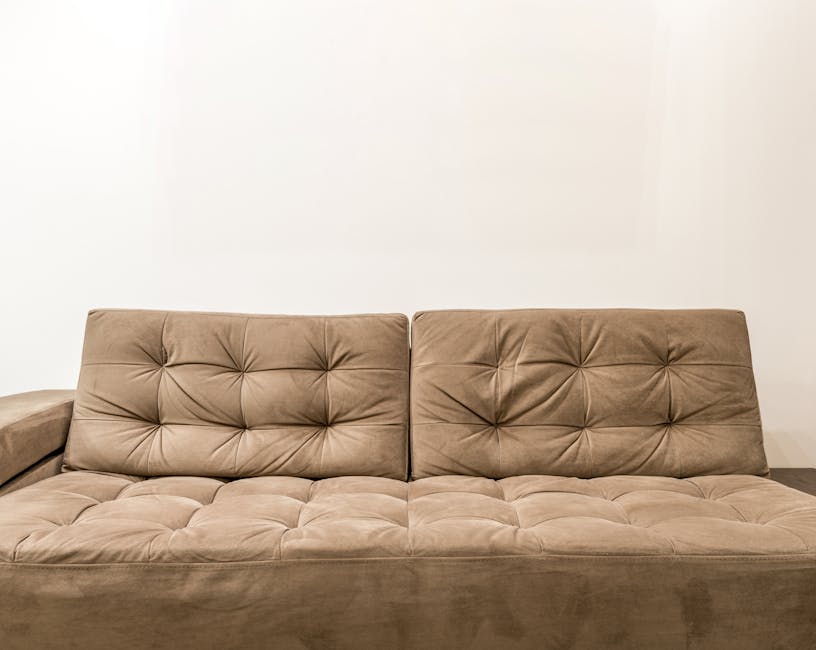
Battersea Park upholstery cleaning case study

If you have ever stared at a tired sofa or dining chair and thought, "Can this really be brought back?", you are not alone. A Battersea Park upholstery cleaning case study is useful because it shows what actually happens when upholstered furniture needs careful, professional attention rather than a quick once-over. In a neighbourhood where flats, family homes, rental properties, and busy shared spaces all put furniture through a lot, upholstery cleaning is rarely just about appearance. It is about fabric care, hygiene, smell, comfort, and making good use of what you already own.
In this guide, we break down the process in plain English. You will see why a case study matters, how upholstery cleaning is typically approached, what results to expect, and where people often go wrong. We will also look at practical decision-making, compliance and best practice, and a realistic example of how a cleaning job can be planned from start to finish. No fluff. Just the useful stuff.
Why Battersea Park upholstery cleaning case study Matters
A case study does more than say "the sofa was cleaned." It helps you understand the decisions behind the result. That matters because upholstery is not one material, one stain, or one cleaning method. A velvet armchair, a polyester sofa, and a wool blend chaise each need a different level of caution. If you clean them the same way, you can flatten pile, leave water marks, or push dirt deeper into the fibres. Bit of a headache, really.
For Battersea Park properties, upholstery cleaning often sits at the intersection of everyday living and property care. You may be dealing with a family home with drink spills and pet hair. Or a managed flat where the furniture needs to look presentable before a move-out inspection. Or a home office chair that has started to smell a little musty after months of use. In each case, the cleaning goal is similar, but the approach is not.
That is why a local upholstery cleaning case study is valuable. It shows how the service fits into real-life situations, not just ideal conditions. It also helps readers compare professional upholstery cleaning with DIY spot treatment, and understand when a deeper clean makes better sense than trying another spray from the cupboard.
For readers comparing related services, it can also be useful to understand how upholstery cleaning sits alongside sofa cleaning, rug cleaning, and broader deep cleaning. The overlap is real, but the technique and risk level change from one fabric item to another.
Expert summary: A good upholstery cleaning case study should show the problem, the fabric type, the cleaning method, the risk checks, and the practical outcome. Without those details, it is just a before-and-after story with the interesting bits left out.
How Battersea Park upholstery cleaning case study Works
Upholstery cleaning is usually built around inspection first, cleaning second. That sounds obvious, but it is where a lot of people rush and regret things later. Before any water, detergent, or extraction equipment is used, the fabric type needs to be identified as accurately as possible. Is it colourfast? Does it have a care label? Is the filling likely to hold moisture? Are there past stains that may react badly to treatment?
In a practical Battersea Park upholstery cleaning case study, the process usually begins with a conversation about what the customer has noticed. Perhaps there is visible marking on the seat arms, a general dullness, or a lingering smell from pets, food, or day-to-day use. You might also hear the slightly awkward phrase "it doesn't look that bad, but it smells worse than it looks." Happens more often than you'd think.
From there, the cleaner will usually carry out a test in a discreet area. That test is important. It helps confirm whether the fabric will tolerate the chosen cleaning solution and whether any colour transfer or shrinkage risk is present. On some items, the answer is to use low-moisture cleaning. On others, controlled hot water extraction may be suitable. In a few cases, dry compound or specialist spot treatment is safer.
The practical flow often looks like this:
- Inspect the item and identify fibre, construction, and visible damage.
- Vacuum thoroughly to remove loose dust, crumbs, pet hair, and grit.
- Pre-treat stains or traffic areas with the mildest effective solution.
- Agitate carefully where needed, without overworking delicate pile.
- Use the chosen cleaning method, keeping moisture under control.
- Extract residue and check for water marks, odour, or missed patches.
- Allow suitable drying time and give aftercare advice.
That sequence sounds straightforward, but the judgement behind each step is where the skill sits. A chair that feels firm and dry at the surface can still trap moisture in the padding, so a professional will always think beyond the visible layer. If you want a better sense of how this fits into a wider property-cleaning plan, the approach often overlaps with house cleaning and domestic cleaning routines, especially when the furniture is part of a full-home refresh.
Key Benefits and Practical Advantages
The obvious benefit is that upholstery looks cleaner. But to be fair, that is only part of the story. A proper clean can improve how the furniture feels, how it smells, and how long it remains usable. In a real home, that matters just as much as the visual result.
- Better appearance: traffic marks, dull patches, and surface dirt are reduced.
- Improved freshness: odours from everyday use are addressed rather than masked.
- Fabric care: the right method can help avoid unnecessary wear from DIY scrubbing.
- More comfortable living spaces: fresh upholstery tends to make the room feel tidier overall.
- Support for rental and move-out preparation: presentation matters when furniture is part of the handover.
- Better value from existing furniture: cleaning is often cheaper than replacing a decent sofa or chair.
There is also a less glamorous but very practical benefit: clarity. Once upholstery has been professionally assessed, you know whether a stain is removable, whether a mark is permanent, or whether the issue is structural rather than surface-level. That can save a lot of guesswork.
For many households near Battersea Park, upholstery cleaning is part of a wider refresh rather than a stand-alone job. It is common to book it alongside carpet cleaning or even a broader one-off cleaning visit, particularly after guests, a renovation, or a busy season of life. London homes do not always give furniture an easy ride, let's face it.
Who This Is For and When It Makes Sense
This kind of cleaning makes sense for anyone with upholstered furniture that is still structurally sound but visibly tired, marked, or odorous. That includes homeowners, renters, landlords, letting agents, Airbnb hosts, and small offices. It is not just for expensive sofas either. Dining chairs, footstools, headboards, and office seating can all benefit.
It is especially sensible if you recognise one of these scenarios:
- There are food or drink marks that regular vacuuming will not touch.
- Pet hair and odour have become part of the furniture, in the worst possible way.
- The item has gone dull and flat from general use.
- You are preparing a property for new occupants and want a better presentation.
- A child, guest, or tenant has left a stain and the fabric needs careful treatment.
- You have tried spot cleaning but now there is a ring mark or patchy finish.
It may not be the best option if the upholstery is badly damaged, the filling has collapsed, or the fabric has an unclear care code and already shows signs of dye instability. In those cases, cleaning may still help, but expectations need to be realistic. Sometimes the honest answer is "we can improve it, but we cannot make it new again." That honesty matters more than a sales pitch.
If the furniture forms part of a commercial or managed setting, such as a reception area or serviced accommodation, upholstery care can also sit alongside commercial cleaning or Airbnb cleaning. The goal is not only hygiene but consistency. Guests notice when a sofa looks cared for, even if they never say it out loud.
Step-by-Step Guidance
Below is a practical way to think about the process from the customer side. You do not need to become a fabric scientist. But a bit of understanding helps you ask better questions and avoid disappointment.
- Identify the item clearly. Is it a sofa, armchair, dining chair, ottoman, or headboard? Different structures hold dirt differently.
- Check the fabric where possible. Look for care labels or note whether the textile is delicate, blended, or textured.
- Explain the problem in plain terms. Fresh spills, old staining, smell, pet mess, or general dullness all lead to different methods.
- Ask about the likely approach. A good cleaner should explain whether they plan to use extraction, low-moisture cleaning, or targeted stain treatment.
- Clear the area. Move fragile items, cords, and clutter nearby. It makes the job easier and safer.
- Let the cleaner test first. A small test patch is a sensible safeguard, not a delay for the sake of it.
- Allow drying time. Do not sit on the sofa too soon just because it feels touch-dry on top. That is how damp gets trapped.
- Follow aftercare advice. This may include ventilation, avoiding heavy use for a while, and keeping liquids away for the first day or so.
A small real-world observation: many upholstery jobs go smoothly when customers give one or two honest details upfront. "There was a coffee spill six months ago and the cat likes that arm" is far more useful than "it's just a bit grubby." Specifics help. Always.
Expert Tips for Better Results
There are a few habits that consistently improve results, and they are simple enough to apply at home before and after a professional clean.
- Vacuum regularly with a clean upholstery attachment. Grit acts like sandpaper over time. People forget that.
- Blot, don't rub. Rubbing can spread a stain and roughen fibres.
- Act early on spills. Fresh marks are easier to deal with than set-in residue.
- Keep cushions rotated. Uneven wear creates visible fade and traffic patterns.
- Use ventilation during drying. Open windows where possible, especially in humid weather or smaller flats.
- Ask for method matching, not just "a deep clean." The right process depends on the item, not the marketing phrase.
A more advanced tip is to think about what caused the problem in the first place. Was it a food habit, a pet habit, a spill-prone family routine, or just age? The cause matters, because if you do not change it, the same issue comes back. That sounds obvious, but it is easy to miss.
For furniture in rooms that get heavy use, pairing upholstery care with regular cleaning can help maintain results for longer. And if an item sits near windows or balconies and takes on dust faster than expected, window cleaning can indirectly help keep the room feeling fresher overall. Not glamorous, but true.
Common Mistakes to Avoid
Most upholstery damage from cleaning does not come from dramatic mistakes. It comes from small ones repeated. A bit too much liquid here, a harsh cleaner there, and suddenly you have a tide mark or a crunchy patch where the pile used to be.
- Using too much water. Saturation can travel into the padding and slow drying dramatically.
- Skipping a test patch. This is how colour bleed and finish changes surprise people.
- Scrubbing hard at stains. It often makes the problem more visible.
- Mixing products. Some chemicals react badly together and can leave residues.
- Assuming all upholstery is the same. It really is not.
- Using furniture too early after cleaning. This can flatten damp fibres and re-soil the area.
Another common issue is expectation mismatch. A lot of people hope a clean will remove damage that is actually permanent. Some marks are staining, yes. Others are wear, dye loss, sun fade, or fibre distortion. Different problem, different outcome. A good provider should explain this clearly rather than promising miracles. There are enough miracle claims floating around already.
Tools, Resources and Recommendations
You do not need a van full of gear to make sensible decisions, but knowing the basic tool categories helps. Professional upholstery cleaning often uses a combination of inspection tools, vacuuming equipment, pre-treatment products, controlled moisture application, and extraction or drying support. The exact combination depends on the fabric and the job.
| Method | Best for | Pros | Watch-outs |
|---|---|---|---|
| Hot water extraction | Durable fabrics, heavier soiling, general refresh | Strong cleaning power, good for embedded dirt | Needs careful moisture control and drying time |
| Low-moisture cleaning | Sensitive fabrics, quicker turnaround needs | Less drying time, lower saturation risk | May be less effective on stubborn contamination |
| Targeted stain treatment | Specific spills or local marks | Focused approach, less disruption | Not always suitable as a stand-alone solution |
| Dry compound methods | Very delicate textiles and selected specialist cases | Minimal moisture, useful for risk-sensitive items | Can be less versatile on mixed staining |
From a homeowner perspective, the most useful resources are simple: the care label, a clear description of the issue, photos if you are requesting a quote, and an understanding of how much drying time your schedule allows. If you are comparing services or planning a wider refresh, it can also help to review pricing and quotes before you commit, so you know what is included and what may be extra.
For customers who are booking a more comprehensive home reset, upholstery cleaning can be bundled sensibly with move-in cleaning or move-out cleaning. That is often the point where the furniture, floors, and general room condition all need to be brought back into shape at once.
Law, Compliance, Standards, or Best Practice
For upholstery cleaning, the most relevant guidance is practical rather than dramatic: use suitable products, work safely, avoid unnecessary risk to the fabric, and be honest about limitations. In the UK, professional cleaners are generally expected to follow sensible health and safety practices, use equipment responsibly, and handle chemicals according to their instructions. You do not need a law degree to appreciate that care and common sense matter here.
Customers should also expect clear communication about what can and cannot be cleaned safely, especially on delicate fabrics or items with pre-existing damage. If a cleaner is unsure about fabric stability, the cautious route is usually best. A cautious route is not a weak one. It is the one that avoids turning a manageable job into a costly replacement.
Where a business handles customer property, trust signals matter too. That includes being transparent about insurance and safety, having sensible working procedures, and following its own published policies such as health and safety and terms and conditions. If you care about sustainability, it is also reasonable to ask how waste water, packaging, or product use are handled. A thoughtful company should be able to speak plainly about recycling and sustainability without making a song and dance of it.
For customers, the best practice is simple: ask questions, expect clarity, and never feel awkward requesting a fabric test or an explanation of the method. A bit of caution goes a long way.
Options, Methods, or Comparison Table
If you are deciding how to clean upholstery, the choice is usually less about "best method in theory" and more about "safest method for this fabric, in this situation." That distinction saves a lot of trouble.
| Option | When it makes sense | What it is good at | Limitations |
|---|---|---|---|
| DIY spot cleaning | Very fresh, tiny spill on a robust fabric | Quick action on a small mark | Easy to over-wet or spread the stain |
| Professional upholstery cleaning | General refresh, odour, heavier dirt, uncertain fabric | Assessment, safer product choice, deeper clean | Requires scheduling and drying time |
| Replacement | Severe damage, collapsed structure, irreversible wear | Fresh start | Usually the most expensive option |
In a Battersea Park setting, the professional route is often the sensible middle ground. Not too little, not overblown. If the furniture is good quality and the issue is mainly surface contamination, a proper clean can buy you a lot more life from the item. If the frame or padding is failing, cleaning may still help presentation, but replacement could be the better call. Honest, again.
Case Study or Real-World Example
Here is a realistic example based on the kind of upholstery issues commonly seen in Battersea Park homes. A two-piece fabric sofa in a busy flat had developed dark armrest marks, a stale smell, and a patchy appearance on the main seating area. The owner had tried a supermarket spray on one section, which removed some surface dirt but left a faint ring. The room also had limited ventilation, so drying time mattered.
The first step was a fabric check and a small test in a less visible area. That showed the fabric could tolerate a controlled low-moisture clean, but not aggressive saturation. The cleaner vacuumed thoroughly, pre-treated the armrests and seat areas, and then used a careful cleaning pass with extraction control. A second inspection followed, because this is where many jobs either succeed quietly or reveal a missed patch. No drama, just methodical work.
What changed? The visible grime reduced, the surface felt fresher, and the smell was much less noticeable once the room had been aired. The ring mark did not vanish entirely; it softened enough to stop dominating the eye. That distinction matters. A real case study should not pretend every problem disappears. More often, the win is a strong improvement rather than a magic reset.
Aftercare advice included keeping the room ventilated, avoiding heavy use for several hours, and not using additional cleaning products on the same areas for at least a short while. The owner then paired the upholstery clean with a general tidy-up and light domestic refresh, which made the room feel noticeably better as a whole. Small change, big difference. Funny how that works.
This kind of job also highlights something else: timing. If the same sofa had been cleaned sooner after the original spill, the outcome might have been even better. That is why quick action and realistic expectations are both part of the story.
Practical Checklist
Before you book or attempt upholstery cleaning, run through this simple checklist. It keeps things grounded.
- Identify the item and note the fabric type if you can.
- Check for visible labels, wear, tears, loose stitching, or prior damage.
- List the main issues: stain, odour, general dirt, pet hair, or all of the above.
- Decide whether you need one item cleaned or several at once.
- Ask what method is likely to be used and why.
- Confirm whether drying time will affect your schedule.
- Clear the surrounding area before the visit.
- Ask how delicate fabrics or old stains are handled.
- Check the provider's safety, insurance, and service terms.
- Plan for aftercare: ventilation, restricted use, and follow-up spot care.
If you are still gathering your options, it can help to compare upholstery cleaning with adjacent services such as sofa cleaning and mattress cleaning. They are different jobs, yes, but the same practical questions tend to come up: fabric type, moisture control, odour, and turnaround time.
Get a free quote today and see how much you can save.
Conclusion
A Battersea Park upholstery cleaning case study is most useful when it shows the real process behind the result. That means fabric checks, the right cleaning method, careful moisture control, and honest expectations. It also means understanding that upholstery care is not a one-size-fits-all service. The best outcome usually comes from matching the method to the material, and the cleaning plan to the problem.
Whether you are dealing with a sofa that has seen better days, a chair with a stubborn spill, or a full home refresh before guests arrive, the same principle holds: assess first, clean carefully, and protect the fabric for the next round of normal life. Simple enough, but worth doing properly.
And if the item is worth keeping, it often really is worth cleaning. One sensible decision can make a room feel calmer, cleaner, and more lived-in in the best possible way.
Frequently Asked Questions
What is a Battersea Park upholstery cleaning case study?
It is a practical example that shows how an upholstery cleaning job was assessed, cleaned, and finished in a Battersea Park setting. A good case study explains the problem, the fabric, the method, and the outcome, so readers can understand what to expect.
How do I know if my sofa needs professional upholstery cleaning?
If your sofa has visible stains, lingering odours, dull patches, pet hair, or a general tired look that vacuuming cannot fix, professional cleaning usually makes sense. It is also worth considering if you are moving out, moving in, or preparing for guests.
Can upholstery cleaning remove old stains?
Sometimes, yes. Old stains may lift partly or significantly, but not always completely. The outcome depends on the stain type, how long it has been there, the fabric, and any previous cleaning attempts. Honest expectations are key here.
Is upholstery cleaning safe for delicate fabric?
It can be, if the correct method is chosen after inspection and testing. Delicate fabrics may need low-moisture methods or specialist care. Skipping the test patch is where problems tend to start.
How long does upholstery take to dry?
Drying time varies depending on fabric, cleaning method, room temperature, and ventilation. Some items feel dry on the surface quite quickly but still hold moisture deeper down, so it is wise to wait longer before heavy use.
Should I clean upholstery myself or hire a professional?
For tiny fresh spills on robust fabric, DIY spot treatment can be fine if done carefully. For larger stains, odours, delicate materials, or anything uncertain, a professional is usually the safer choice. A wrong DIY method can make the issue worse.
What's the difference between sofa cleaning and upholstery cleaning?
Sofa cleaning usually refers to sofas specifically, while upholstery cleaning covers a wider range of fabric-covered items such as chairs, stools, and headboards. The methods overlap, but the item shape and fabric construction can change the approach.
Can upholstery cleaning help with pet odours?
Yes, it often can, especially when the smell is coming from the fabric surface or trapped residue rather than deep structural damage. If the odour has soaked into the filling or frame, improvement is still possible but may be limited.
How often should upholstery be cleaned?
That depends on use. Busy family homes, pet-friendly households, and rental properties often need more frequent attention than occasional-use furniture. Regular vacuuming helps extend the time between deeper cleans.
What should I ask before booking upholstery cleaning in Battersea Park?
Ask about the fabric assessment, the likely cleaning method, drying time, stain limitations, and whether the cleaner carries suitable insurance. It is also sensible to check service terms and pricing upfront so there are no surprises later.
Will upholstery cleaning damage my furniture?
A careful, fabric-aware clean should not damage sound upholstery. The risk usually comes from using too much water, the wrong chemical, or too much agitation. That is why test patches and informed method choice matter so much.
Is upholstery cleaning worth it before a move-out or property handover?
Very often, yes. Clean upholstery can improve first impressions and help a property feel better maintained. It is especially useful when the furniture is staying with the property or when presentation matters for inspections.
Where does upholstery cleaning fit within a full home clean?
It usually sits alongside carpet cleaning, domestic cleaning, or one-off cleaning depending on the situation. If the room needs a full refresh, upholstery is often one of the most noticeable items to tackle because it affects both appearance and smell.